World Refugee Day: Reflecting on the Work Ahead
Each year, World Refugee Day invites the global community to reflect on the dignity and resilience of those who have been uprooted from their homes. It’s a moment of reflection, awareness, and renewed commitment
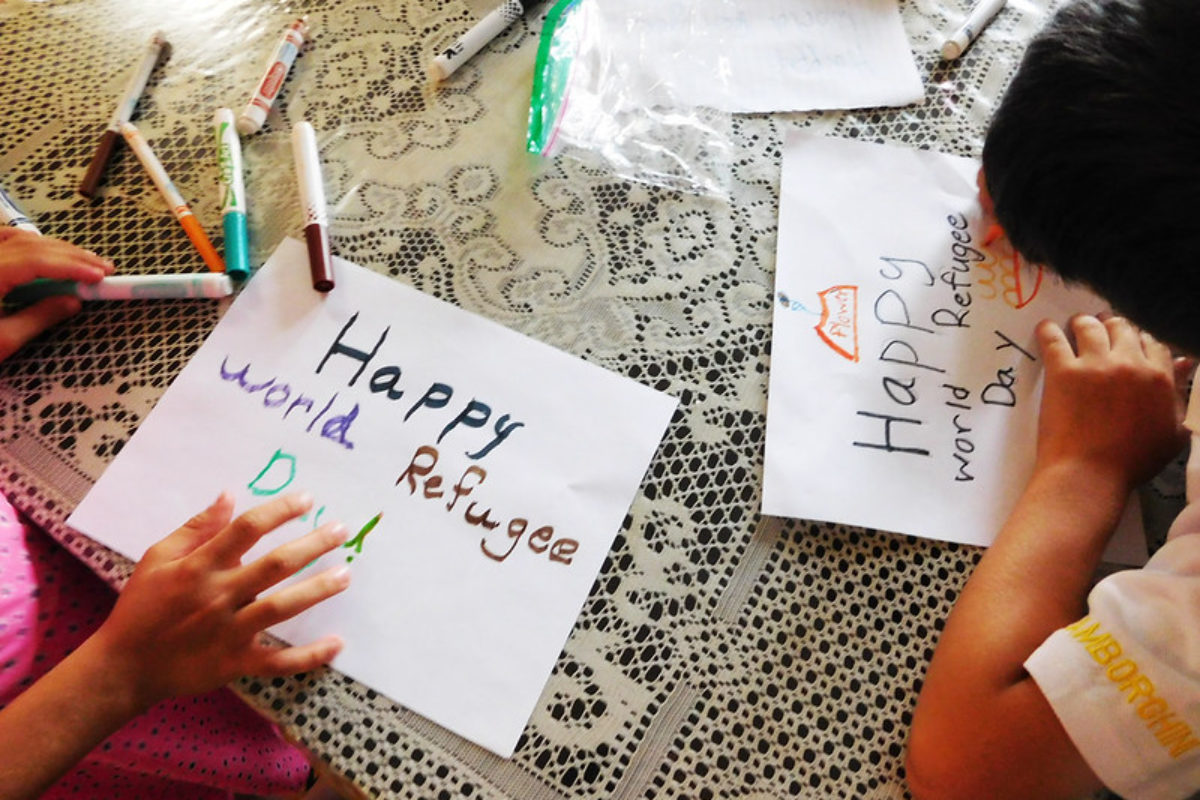
Reflections on this World Refugee Day highlight the scale of the ongoing refugee crisis. Millions of individuals and families continue to experience forced displacement due to conflict, persecution, and instability. Much work remains to ensure justice and protection for all.
Understanding Global Displacement
Displacement is one of the most pressing humanitarian challenges of our time, yet many people are unfamiliar with the basics of who is affected and why. It helps to start with the fundamentals.
- What is a refugee? The refugee definition established by the 1951 Refugee Convention describes someone who has fled their home country due to a well-founded fear of persecution based on race, religion, nationality, political opinion, or membership of a particular social group. This refugee definition remains the global legal standard today.
- What about people displaced within their own country? They are called internally displaced persons (IDPs). Internal displacement occurs when people are forced to flee their homes but remain within their own country’s borders.
- Where do displaced people live? While refugee camps are the most widely recognized image of displacement, most displaced persons actually live in cities and towns.
- How many people are we actually talking about? In 2026, UNHCR projects that the number of forcibly displaced people worldwide will reach 136 million, which is nearly double the figure from a decade ago.
- Which countries are most affected? More than a third of all forcibly displaced people come from just four countries: Sudan, Syria, Afghanistan, and Ukraine. Meanwhile, nearly three-quarters of the world’s refugees are hosted by low and middle-income nations, most of them neighboring countries or nearby.
- What causes displacement? Conflict gets the most attention, but it’s not the only driver. In 2024, disaster-related events such as floods, storms, and earthquakes accounted for 70% of all new internal displacements worldwide. Poverty and economic insecurity also play a major role, both as a direct cause of displacement and by increasing communities’ vulnerability to conflict and disasters.
Understanding these distinctions is essential to grasping the complexity of the global displacement situation and why the path forward requires so many different kinds of solutions.
Current Global Challenges
Funding and Service Gaps
Significant gaps remain in funding and access to basic services. Since early 2025, sweeping cuts to US foreign assistance have forced humanitarian organizations worldwide to reduce support for refugees and displaced people. ICMC was among those compelled to cut critical services across multiple countries as a direct result. Many displaced individuals still lack adequate health care, education, and employment opportunities. These shortcomings prolong hardship and hinder long-term stability.
Uneven Responsibility for Refugees
Responsibility for hosting displaced populations is often unevenly distributed. Lower-income countries continue to bear a disproportionate share of the burden:
- Low- and middle-income countries host 71% of the world’s refugees.
- High-income countries (such as those in Europe and North America) host just 17–29% of refugees globally, a share that rose only due to the influx of Ukrainian refugees into European countries after 2022.
This imbalance calls for a more just and coordinated response.
Protracted Displacement
Additionally, protracted displacement has become increasingly common. Families may spend years or even decades without a permanent solution. This reality challenges policymakers and humanitarian groups to seek deeper, more sustainable answers.
Evolving Factors
New and evolving factors are reshaping the global displacement landscape and deepening the challenge of finding lasting solutions:
- Escalating conflicts: A growing number of armed conflicts worldwide continues to drive new displacement and humanitarian emergencies, even as existing ones remain unresolved.
- Climate pressures: Climate disasters and long-term environmental changes are accelerating climate-related migration, creating new displacement risks and realities.
- Global policy: Ongoing challenges for effective international cooperation limit access to protection for displaced people.
- Limited pathways: Expanding legal pathways for refugees remains a critical need.
These challenges highlight the importance of forward-looking solutions rooted in solidarity and justice.
The Church’s Position on Assisting Migrants
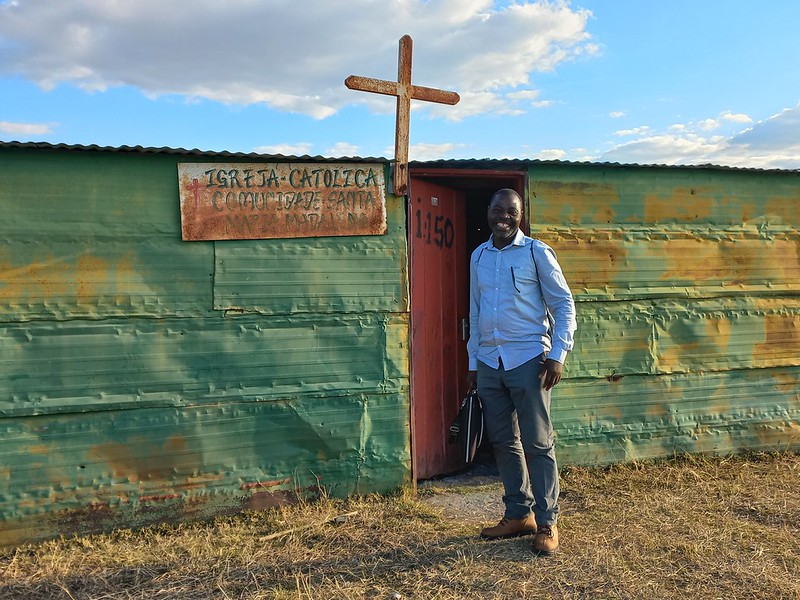
The Church calls for a shared responsibility among nations, grounded in solidarity and the common good. This vision includes equitable support, compassionate policies, and a recognition that welcoming others enriches society as a whole.
In his 2025 message for the World Day of Migrants and Refugees, Pope Leo XIV reinforced this call by describing migrants and refugees as “missionaries of hope” and encouraging greater commitment to protecting and integrating displaced people within communities.
The Church expresses this spirit of solidarity through global collaboration that strengthens advocacy, shares resources, and coordinates support for migrants and refugees.
Ultimately, meaningful progress requires both structural change and personal commitment. It’s a call to see Christ in the displaced and to respond with generosity and courage.
Beyond Awareness to Action
World Refugee Day challenges individuals, communities, and nations to move beyond awareness and toward concrete steps that support those in need.
With continued effort, prayer, and cooperation, there remains hope that a more compassionate future can be realized for all.


