Understanding Global Displacement in 2026: The Crisis Behind the Headlines
Global refugee statistics have painted an increasingly dire picture over the past decade. Global displacement has nearly doubled, rising from about 60 million people in 2014 to over 120 million by the end of 2024, the highest number ever recorded.
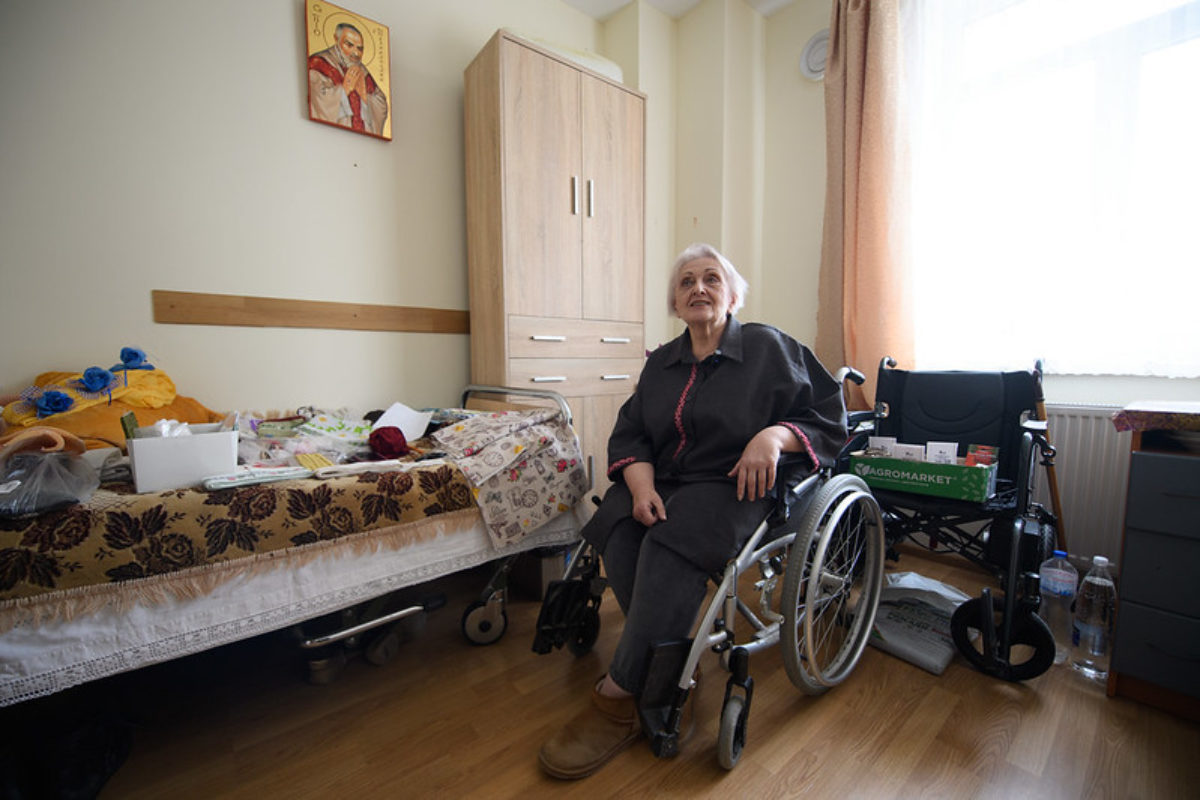
More detailed displacement statistics show that the crisis is concentrated in a handful of key situations. Sudan, Syria, Afghanistan, and Ukraine remain among the most heavily affected. Lebanon and Iran are also experiencing large-scale displacement, with more than one million people uprooted in Lebanon and up to 3.2 million displaced within Iran amid recent conflict.
Six Displacement Situations Shaping Our World
Some crises dominate headlines while others unfold in near silence. Together, they reveal the scope of human suffering across continents. These six situations represent both forgotten emergencies and protracted conflicts that span generations:
- Sudan: In April 2023, the latest iteration of fighting between rival military factions erupted into civil war, forcing more than 13 million people to flee their homes. This represents the world’s largest displacement crisis, yet it remains underreported and severely underfunded compared to other global emergencies.
- Democratic Republic of Congo: The DRC faces one of the world’s most complex displacement crises, driven by decades of conflict, instability, disease, and climate-related disasters. By September 2025, about 8.2 million people had been displaced (5.8 million within the country), and the total could reach 9 million by the end of 2026.
- Gaza: More than 70,000 Palestinians have been killed and 170,000 injured over two years of targeted attacks by Israeli forces, with 1.9 million people (around 90% of the population) internally displaced, often multiple times.
- Syria: The conflict in Syria began in March 2011 with anti‑government protests that quickly escalated into a full‑scale civil war, uprooting millions of people. Today, roughly 6.5 million people are still internally displaced inside Syria, and around 4.3 million Syrian refugees are registered in neighboring countries.
- Afghanistan: This country has faced nearly 40 years of conflict, instability, and natural disasters. Today, around 5.2 million Afghans live as refugees in neighboring countries, while roughly 3.3 million remain internally displaced. Many families have spent years in exile, and children are growing up without ever living in a stable home, which can have severe psychological impacts. At the same time, millions of Afghans have been forced to return from neighboring countries such as Pakistan and Iran in recent years, often under pressure or deportation policies, creating new waves of displacement and humanitarian need.
- Ukraine: The war in Ukraine, which began with Russia’s invasion in February 2022, has forced millions from their homes. As of late 2025, about 5.7 million Ukrainians are refugees abroad, and roughly 3.7 million are internally displaced, many having moved multiple times.
These refugee crises illustrate a troubling pattern: whether conflicts are new or longstanding, international responses often lack the resources they need to be effective. Many displaced people struggle to find safety because there are too few legal pathways to seek protection or rebuild their lives.
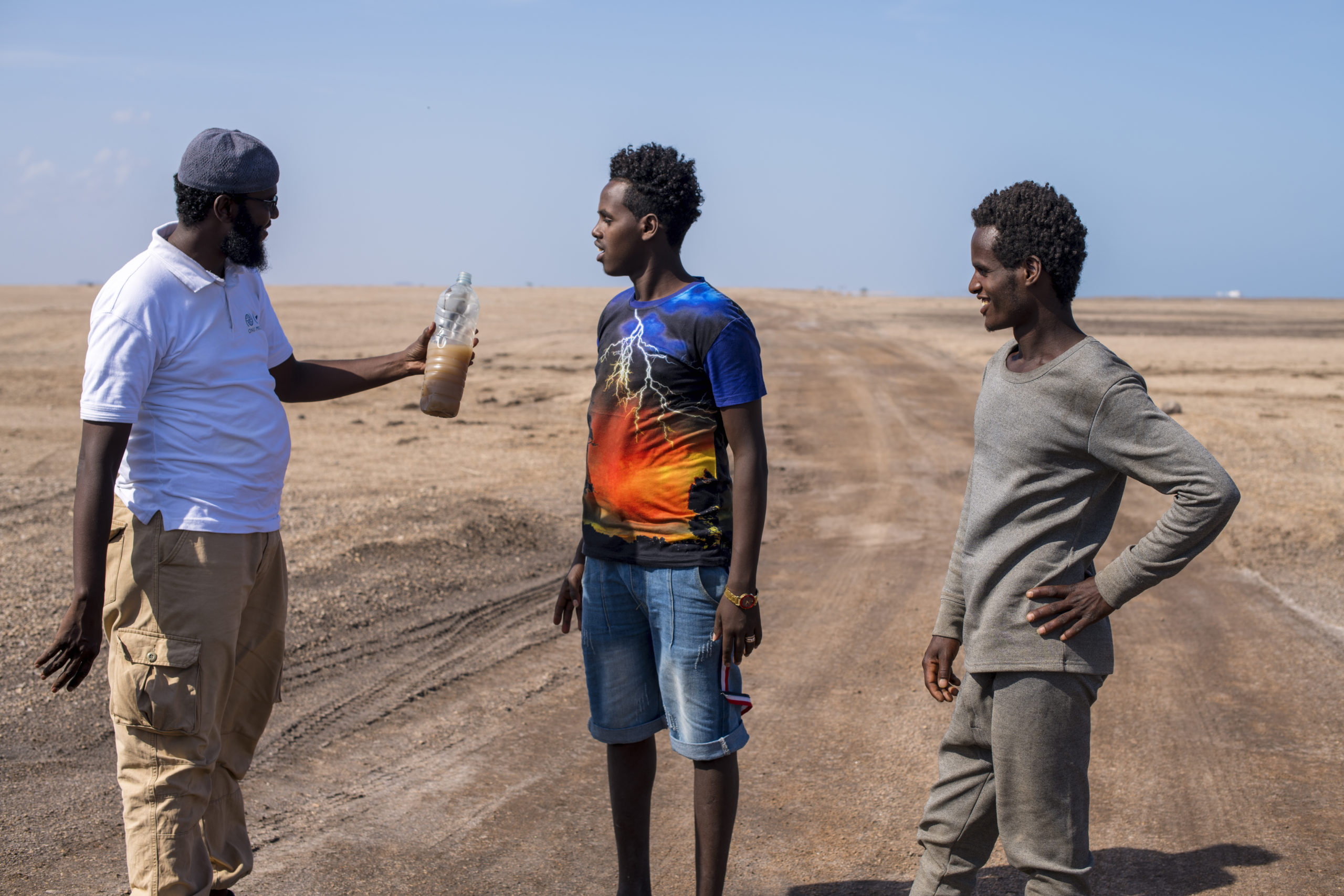
Climate Change: The Displacement Multiplier
In 2024, more than 45 million weather-related disaster displacements were recorded globally, the highest figure since the Internal Displacement Monitoring Centre started tracking data in 2008. Three-quarters of the world’s forcibly displaced live in countries heavily impacted by climate change. Droughts, floods, and extreme weather drive people from their homes while destroying the resources they need to survive.
Most climate-related displacement occurs within national borders, with people often moving multiple times as they attempt to rebuild shelter and livelihoods after successive climate shocks. It doesn’t typically result in large-scale migration toward Europe and other high-income countries.
By 2040, extreme climate-related hazards are expected to affect 65 countries. Understanding climate-induced displacement and climate-driven migration is essential for creating policies that protect vulnerable populations.
The Funding Gap
Globally, refugees face severe resource shortages, with many depending on humanitarian organizations for essentials such as food, water, shelter, and medical care. The funding gap reveals troubling global priorities:
- In 2025, global defence spending reached $2.63 trillion.
- The 2025 UN humanitarian appeal received only $12 billion, the lowest funding in a decade.
- This means humanitarian funding was less than 0.5% of defense spending.
Chronic underfunding means humanitarian agencies consistently lack the resources they need to support refugees and displaced people worldwide. This persistent shortfall forces cuts to essential services such as protection, shelter, healthcare, and education.
What Comes Next: Returns, Reality, and Reckoning
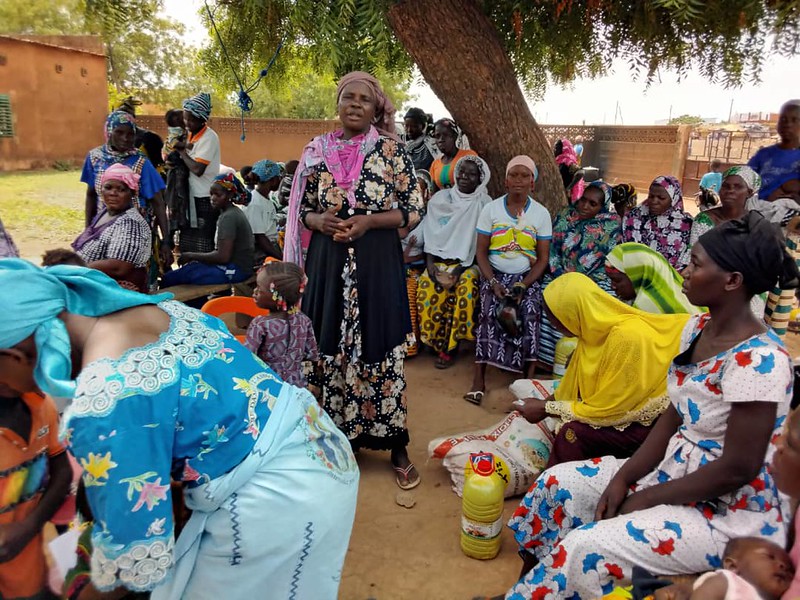
Amid overwhelming challenges, hope emerges. In the first half of 2025, an estimated 7 million displaced people were able to return home, including 2 million refugees, the highest figure in a decade. These figures reflect only returnees recorded through UNHCR and IOM assistance programs, meaning the total number of people returning home is likely higher and not fully captured in available data.
Yet this hope remains fragile. Many refugee returns have occurred under adverse conditions, including cases where people who had previously found safety in another country are once again displaced as conditions shift in both their country of origin and their country of asylum. These are areas where challenges persist and access to basic services is severely limited.
These statistics demand urgent attention and compassion. The global community must align resources with stated values. For Catholics, the call remains clear: to recognize Christ in the displaced, defend their inherent dignity, and advocate for just policies that address root causes while providing immediate protection.
Join us in supporting refugees through prayer, advocacy and action, ensuring no one forced to flee is left behind.