Trafficking and Modern Slavery: Definitions and Global Updates
World Day Against Trafficking in Persons is marked around the world each year on July 30. It draws attention to a crisis that is often hidden in plain sight.
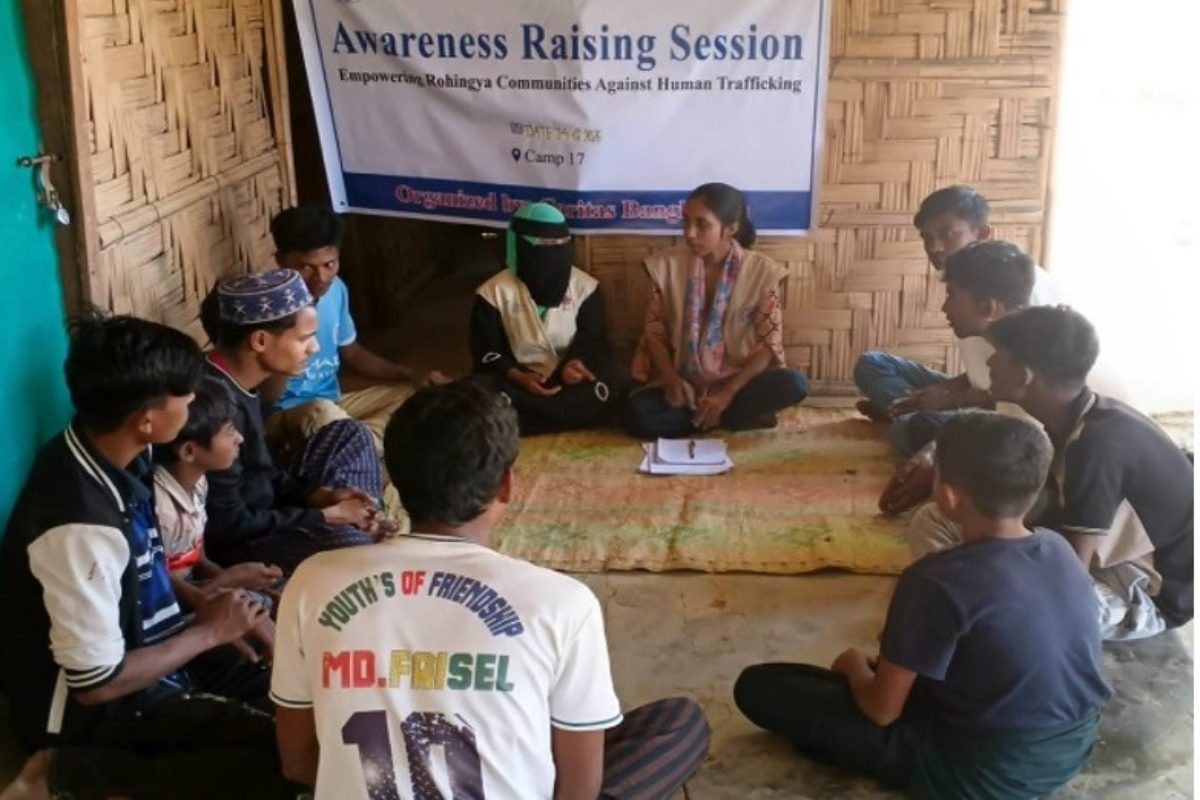
Human trafficking and modern slavery are ongoing global realities affecting millions of people today. Despite international laws and increased awareness, exploitation continues across borders and industries.
This article explains these issues and provide a global update on how widespread they remain.
What Is Modern Slavery?
Modern slavery (also known as contemporary slavery) is an umbrella term covering a range of serious human rights abuses that often overlap in practice. Categories include:
- Forced labor: Individuals are compelled to work through threats, violence, or coercion, often in industries such as agriculture, construction, fishing, and manufacturing.
- Debt bondage: A person is trapped in a cycle of debt used to control their labor, often combined with workplace exploitation such as withheld wages, unsafe conditions, and confiscated documents.
- Sexual exploitation (sex trafficking): Individuals are coerced, deceived, or forced into commercial sex acts, often under conditions of control, violence, or manipulation.
- Forced marriage: Individuals are made to marry without their full and free consent and are unable to leave the relationship.
- Child slavery: Children are exploited via forced labor, trafficking, and forced marriage, often deprived of education and basic protections.
Traffickers frequently target those already on the margins: migrants who have gone missing or become undocumented, refugees displaced by conflict, unaccompanied children, and communities facing extreme poverty. What unites these practices is the exercise of control over another person. It’s distinguished from historical chattel slavery in form, but not in its fundamental violation of human freedom and dignity.
Understanding the different types of human trafficking is essential groundwork for any meaningful response. Without a clear definition of modern slavery, perpetrators exploit legal ambiguity, and victims remain invisible.
The Church consistently emphasizes that every human being is created in the image and likeness of God. Any system that treats a person as a commodity is a direct affront to that dignity.
Global Updates: Key Developments Around the World
Recent global estimates suggest that around 50 million people are living in modern slavery worldwide. Despite increased awareness and policy action, the number of people affected has continued to rise in recent years, reflecting both improved detection and a deepening global crisis.
The situation is evolving. Economic instability, climate-related displacement, and escalating conflict continue to increase vulnerability, while traffickers are using digital tools to recruit and control victims.
Here are some regional patterns worth noting:
- Asia-Pacific: Asia and the Pacific account for an estimated 15.1 million people in forced labor, making it the region with the largest absolute number of victims. This is driven by large population size, extensive manufacturing and industrial supply chains, and significant migration-linked labor flows.
- Middle East (Gulf States): In the Gulf region, many cases of exploitation are linked to migrant labor systems, where workers in construction, domestic work, and service industries may face coercion, debt bondage, or restrictions on movement. Many of these cases involve migrant workers under sponsorship-based systems that tie workers to individual employers.
- Sub-Saharan Africa: Sub-Saharan Africa faces particularly high risks of forced marriage and child exploitation, alongside forced labor in agriculture and informal economies. The region accounts for approximately 3.8 million people in forced labor and 9.2 million people in forced marriage, with children making up a significant share of victims.
- Europe and North America: In higher-income regions, modern slavery is less visible but still present, often embedded in complex supply chains, subcontracted labor, agriculture, construction, and informal sectors where oversight and enforcement are weaker. There are approximately 4 million people in forced labor in the Americas and Europe combined, with many cases linked to hidden exploitation in private economies and global supply chains
Confronting Modern Slavery Through Awareness and Action
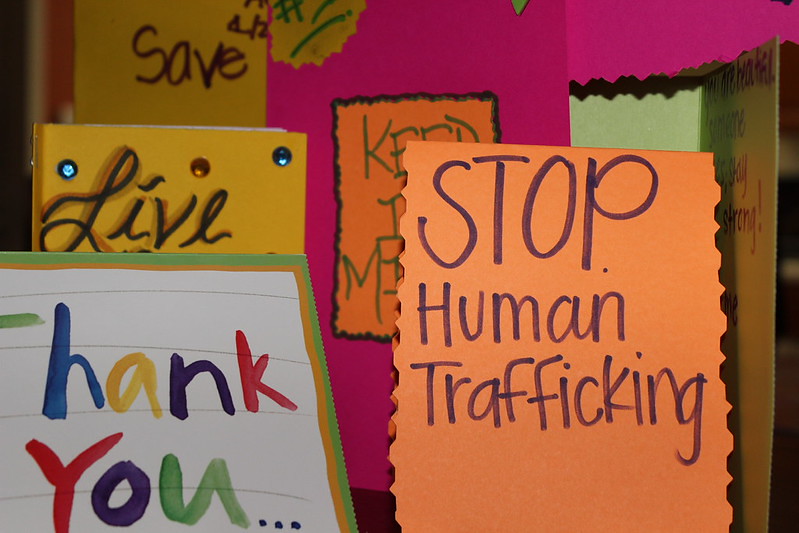
Modern slavery can feel overwhelming in scale, but awareness is one of the first steps toward change. When people understand what human trafficking, forced labor, and exploitation look like in practice, it becomes harder for these systems to stay hidden or ignored.
On World Day Against Trafficking in Persons, the focus is not only on remembering victims but also on taking practical action. That includes supporting ethical supply chains, learning how to stop human trafficking, reporting suspected exploitation, and backing organizations that provide protection and recovery services for survivors.