‘An Invitation to Construct Solutions Together’
Part 2 of our conversation looks to the first FOWLS Project Symposium, taking place in Rome on 16-18 June, and highlights FOWLS Project plans and priorities for the future
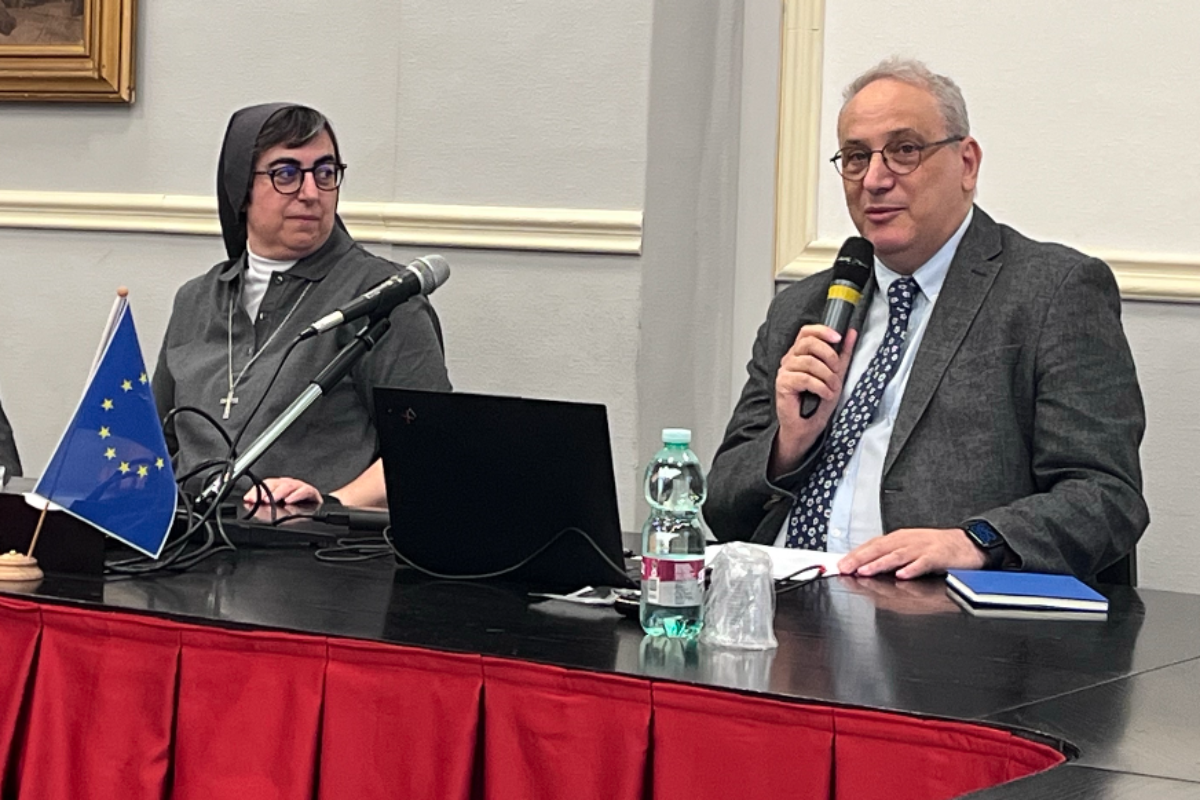
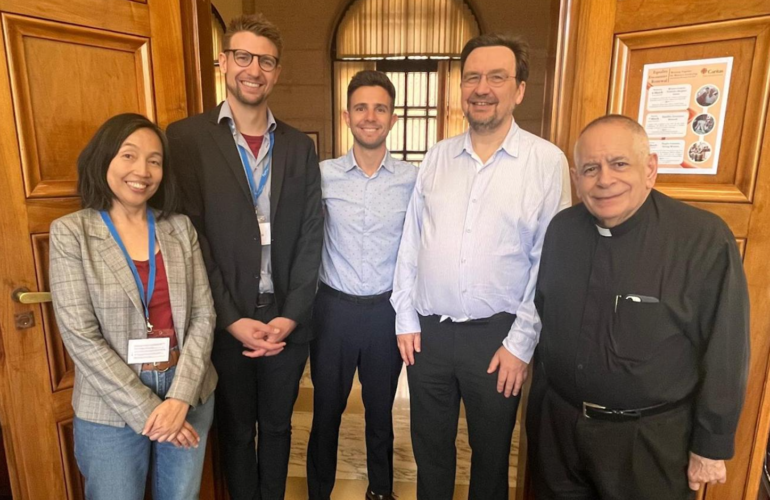
In Part 2 of our conversation feature published as the first FOWLS seminar takes place in Rome on 16-18 June, Ignacio Alonso-Alasino (ICMC and the FOWLS Project), Pierre Martinot-Lagarde (International Labour Organization) and Athena Peralta (World Council of Churches) present the Symposium Cycle, and discuss FOWLS Project plans and priorities for the future.
Read Part 1 ‘From Laudato Sí to Magnifica Humanitas: ‘Human dignity is non-negotiable’.
***
ICMC: Thanks so much all for continuing the conversation! We’re talking just ahead of the first in a cycle of three international symposia planned by the FOWLS Project, taking place in Rome on 16-18 June. Can you tell us a bit more about the cycle, and why it is the FOWLS flagship project for the coming year?
PML: The symposium series is really the fruit of the lessons we’ve learned from the project over the past decade. Each of the three symposia addresses a specific topic: the first focuses on pathways toward a just transition, with two subsequent symposia on food supply chains and decent work in the food industry, and then AI.
There is a real need to collaborate and construct solutions together, rather than repeating the same discourses. I hope that the symposium cycle acts as an invitation to participants to adopt new directions, and renew their action and cooperation at local, national, and global levels.
Pierre Martinot-Lagarde, Special advisor on religious affairs at the International Labour Organization
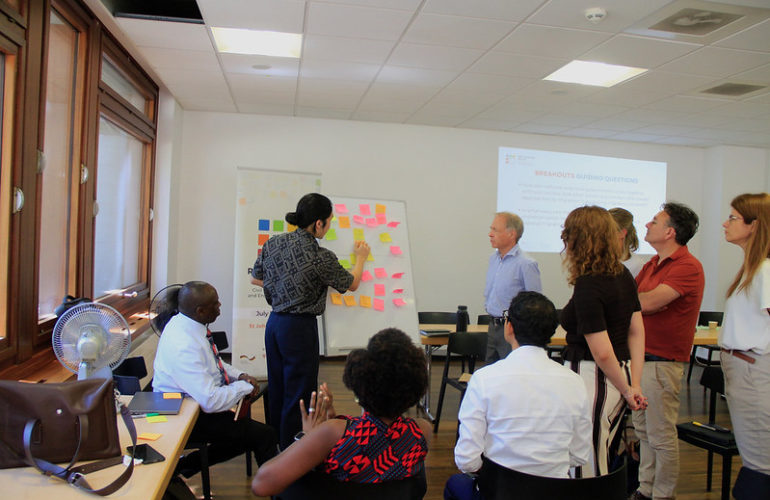
The symposia are designed as experiences and processes, rather than meetings. We’re acknowledging and welcoming that engaging with colleagues from around the world is an experience with ‘ups and downs’, and that can prompt feelings of both joy and frustration. For us, the symposium series is a living experience, and part of a journey developed through reflection and consultation via a preparatory group with representation from all over the world. They learned to work together, listen to others, and propose ways forward.
There is a real need to collaborate and construct solutions together, rather than repeating the same discourses. I hope that the symposium cycle acts as an invitation to participants to adopt new directions, and renew their action and cooperation at local, national, and global levels.
ICMC: Looking toward the first symposium, what is the current global state of play in relation to climate and environmental change, the world of work, and the just transition, in particular with regard to migration? Why was it important to focus on this area at the start of the cycle?
AP: The climate emergency is already significantly impacting the world of work, destroying livelihoods, lowering agricultural and industrial productivity, and increasingly causing displacement. It bears repeating that urgent action to transition toward a zero-carbon economy is needed to prevent the most catastrophic consequences of climate change.
But while this transition is essential, if it is not done well then we risk deepening inequality, displacing more communities, and further disrupting livelihoods. Past experience means we know that rapid structural change can leave some workers and regions behind, and while a low-carbon economy promises new opportunities, the ILO has clearly warned that around 80 million existing jobs could be lost. This is why the focus on a just transition, meaning greening the economy in a way that protects workers in carbon-intensive industries and creates decent work opportunities, is absolutely crucial.
IAA: It is important not to treat this, or any other issue, as standalone phenomenon. We see a growing convergence between climate change, environmental degradation, and transformations in the world of work, which are now mutually reinforcing dynamics, with significant implications for social justice and human dignity.
Migrant workers are frequently concentrated in high risk and informal sectors, making them especially vulnerable during these transitions. At the same time, migration is also part of the solution, as migrants contribute to resilience, innovation, and care economies across regions.
Ignacio Alonso Alasino, ICMC Project Manager, “The Future of Work – Labour after Laudato Si’” (FOWLS) Project
As Athena says, while the transition to low-carbon economies is essential, its impact and benefits remain highly uneven. Those who contribute the least to climate change, in particular low-income workers and vulnerable communities, bear a disproportionate share of the social and economic costs. At the same time, rapid technological changes, including automation and AI, are reshaping labor markets without sufficient social dialogue or protection, increasing the risk of exclusion.
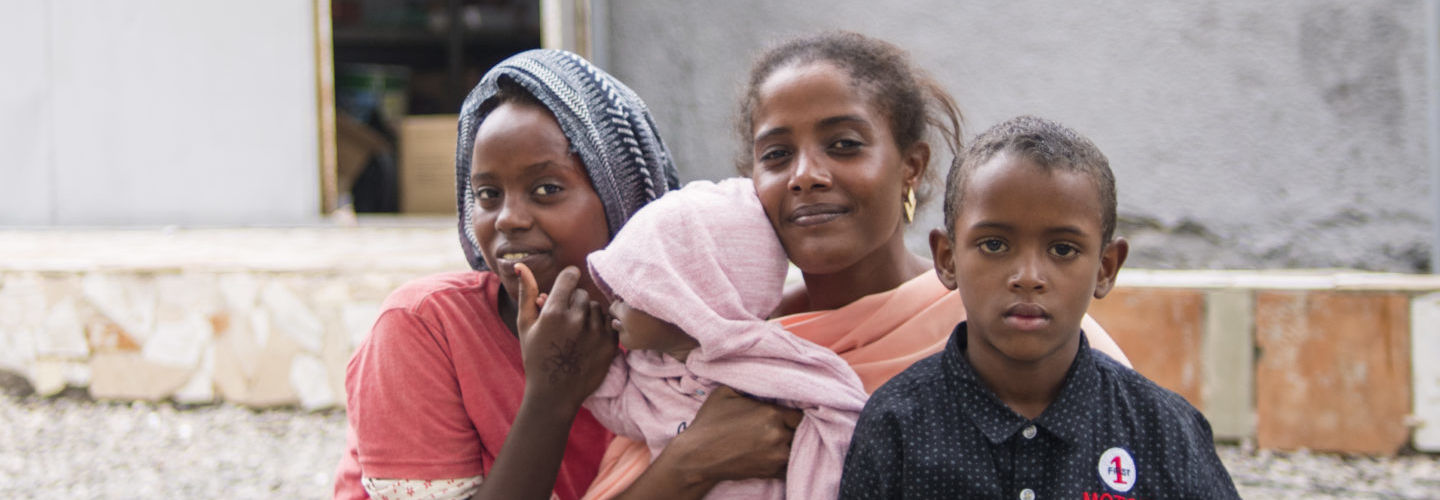
From a migration perspective, climate and environmental pressures are already displacing communities, disrupting livelihoods in sectors such as agriculture, fisheries, and extractive industries, and contributing to increased mobility, often under precarious conditions. Migrant workers are frequently concentrated in high risk and informal sectors, making them especially vulnerable during these transitions.
At the same time, migration is also part of the solution, as migrants contribute to resilience, innovation, and care economies across regions. This highlights the need for policies that fully integrate migration into climate and labor frameworks, ensuring protection, inclusion, and access to rights. This assessment is really the basis for why we’re addressing work via the lens of climate change and the just transition at the outset of our symposium cycle.
ICMC: How will the outcomes of the symposium cycle inform concrete practice across the wider FOWLS Project network?
IAA: The symposium cycle is, as you say, the central pillar of the FOWLS Project for 2026-27, and its outcomes are designed to inform concrete practice across our global network.
To translate symposium reflections into practical learning and application, we’ll launch ‘Dignity and Care in a World in Transition’, an online training and guided reflection based on the Common Social Discernment methodology. The initiative will support Church and civil society actors to apply these insights in their local contexts, bridge reflection and action, and strengthen institutional responses.
Urgent action is needed to transition toward a zero-carbon economy, so as to prevent the most catastrophic consequences of climate change. But while this transition is essential, if it is not done well then we risk deepening inequality, displacing more communities, and further disrupting livelihoods.
Athena Peralta, Director of the Commission on Climate Justice and Sustainable Development at the World Council of Churches (WCC)
A second complementary initiative focuses on AI, working with a diverse range of partners including the Vatican’s Dicastery for the Promotion of Integral Human Development and Deloitte, to address AI governance, impacts for workers, and data ethics. By ensuring that technological change is approached cooperatively and through a human-centered lens, this work will help translate symposium outcomes into stronger practice and partnerships, and more just and sustainable labor systems.