ICMC Partnership Brings Meaningful Change for Migrant Workers in India
Since 2020, ICMC’s partnership with national member the Conference of Catholic Bishops of India has ensured emergency assistance and access to rights for migrant workers in India
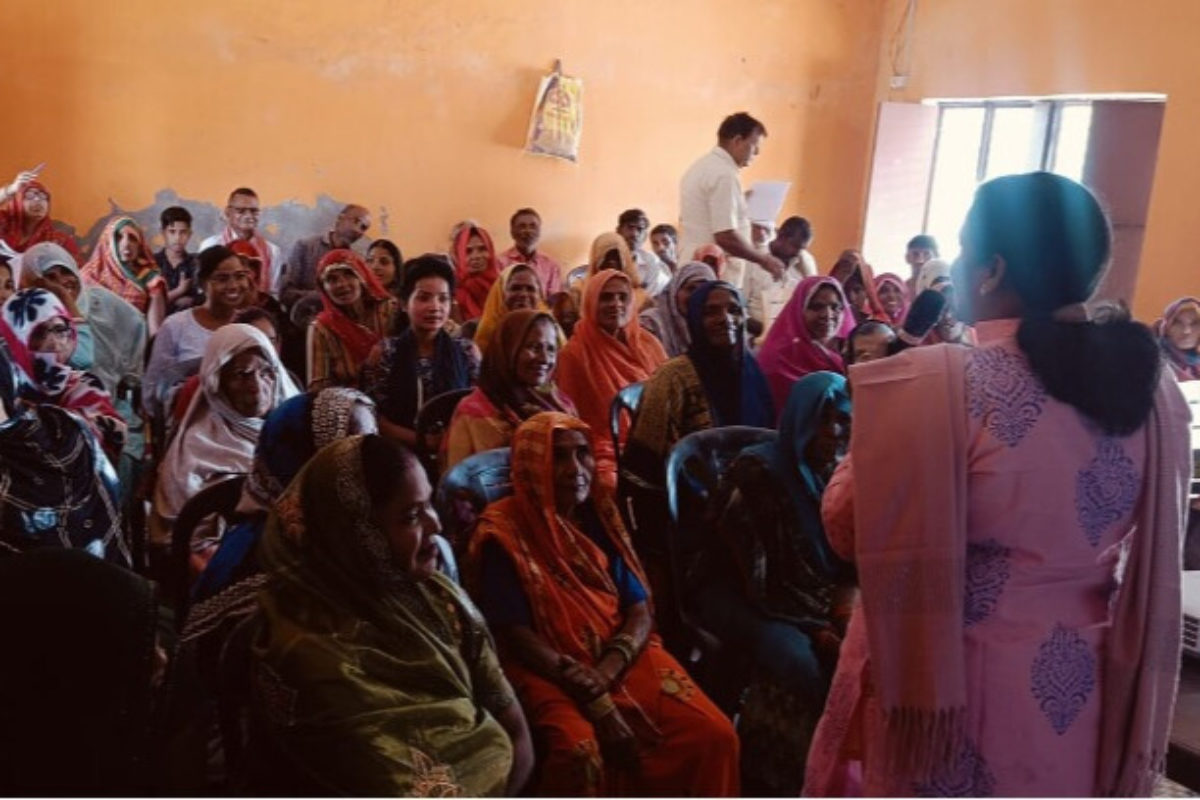
The global COVID-19 pandemic shone a light on the situation of India’s internal migrant workers, millions of whom lost their jobs overnight when a national lockdown was imposed in March 2020.
Working in partnership with our national member in India, the Commission for Migrants of the Conference of Catholic Bishops of India (CCBI), ICMC mobilized resources to ensure CCBI could provide emergency humanitarian assistance to those most in need. Five years on, ICMC continues to support CCBI to progress our joint mission to ensure migrant workers in India can live in dignity and security, with full access to their rights.
Beyond COVID-19: Creating Long-term Change for Migrant Workers in India
Today, ICMC support ensures CCBI can take action to create systemic, rights-based, and sustainable change for migrant workers in India, in particular those in the informal sector.
In Agra, Meerut, and Delhi dioceses, this support has enabled informal migrant workers to receive the assistance and information they need to access essential services, such as healthcare, education, and social assistance.
“Today, the Community Resource Centers we established with ICMC support are functioning as vital community hubs, providing reliable information and bridging gaps in service delivery,” says Sr. Rani Punnaserril, program manager at CCBI. “Many of the community leaders we trained are now in leadership positions at the centers, which builds wider awareness and creates community ownership going forward.”
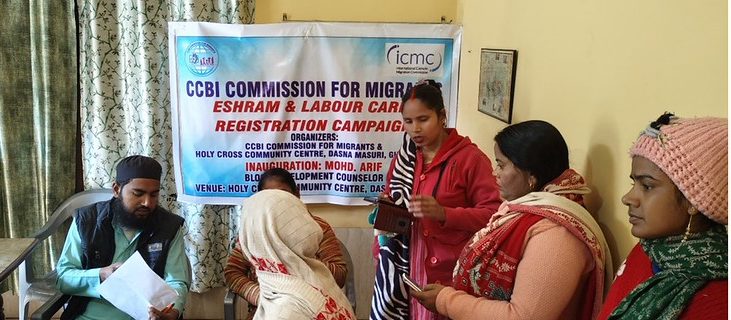
Alongside advice and assistance, a series of capacity-building CCBI workshops on social assistance and labor rights reached 841 migrant workers, often in rural and/or hard-to-reach areas.
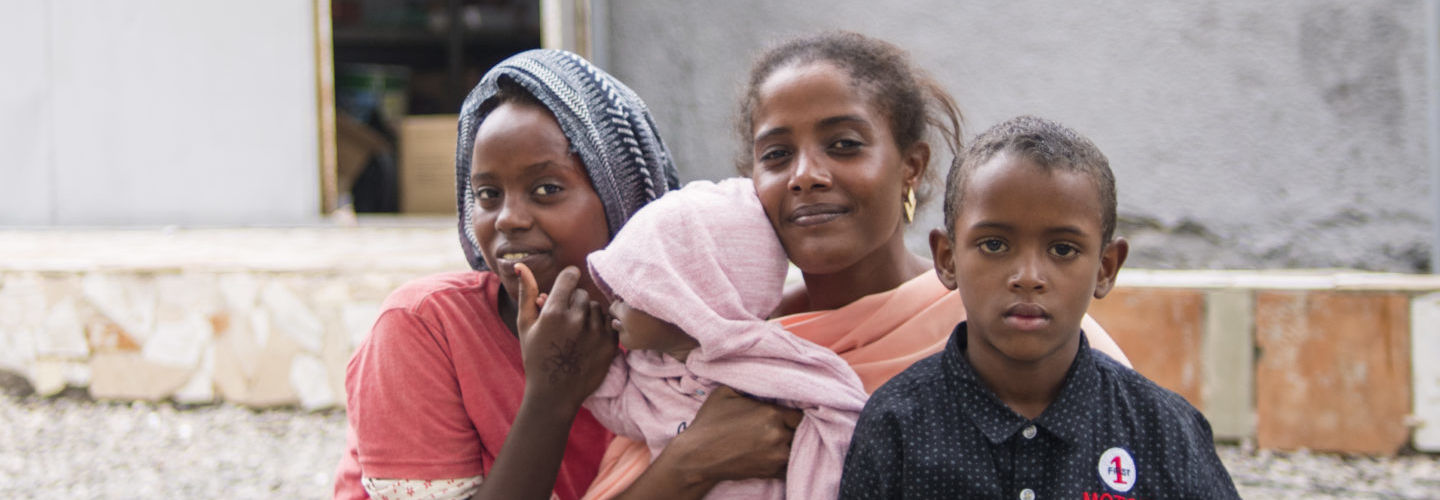
“The majority of workshop participants were women, largely migrant workers who had come with their families from various regions in India. There were also smaller numbers of migrants from neighboring countries, particularly Nepal and Bangladesh,” recalls Sr. Rani. “Most had been living in the project’s locations for several years, having moved in search of work. For the most part they work in informal sector roles, including domestic work, tailoring, street vending, and vegetable selling.”
The workshop program benefited from CCBI’s collaboration with the National Domestic Workers Movement in Delhi, ensuring the participation of this important target group.
‘Rapid Reaction, Sustained Commitment’: ICMC Members Leading Church Responses
The Church is uniquely placed to respond to emergencies and provide for those in need. CCBI was indeed at the forefront of early responses for migrant workers impacted by COVID-19 in India, feeding more than 50,000 affected workers in a partnership with the Archdiocese of Delhi and coordinating national action.
Rapid ICMC support enabled CCBI to ensure emergency assistance quickly reached those most in need amongst this highly vulnerable population. “We were overwhelmed just trying to keep people from starving in the early days, and paying rents so that people and families were not evicted from their homes,” recalls Sr. Rani. “Most domestic workers were dismissed and never called back, and many never received their legally required severance pay or last salaries.”
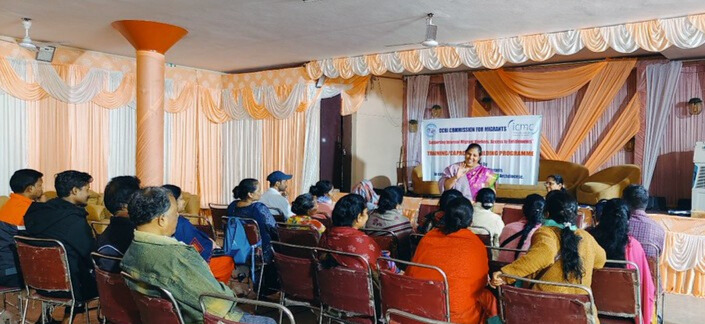
Beyond emergency assistance, ICMC’s sustained commitment to CCBI has enabled the development of a long-term program of interventions for informal migrant workers in India. Just over 1,000 persons have benefited from healthcare and virus prevention advice, dedicated entrepreneurial training, and small business seed funding. A further 500 have accessed bereavement, grief management, and psychological support, provided in recognition of the huge losses experienced by these communities during the COVID-19 pandemic.
Reflecting on the impact of ICMC’s support, Sr. Rani concludes: “It has not only enabled us to address immediate needs, but has also restored dignity, strengthened resilience, and allowed families to envision a future beyond the crisis. For communities that have endured violence, displacement, and the painful loss of stability, it has been a true lifeline, bringing emotional healing, legal empowerment, and opportunities to rebuild their livelihoods. We are profoundly grateful.”

Rachel Westerby
Independent writer and researcher on migration and refugees.