Understanding Asylum: The Basics of Refugee Protection
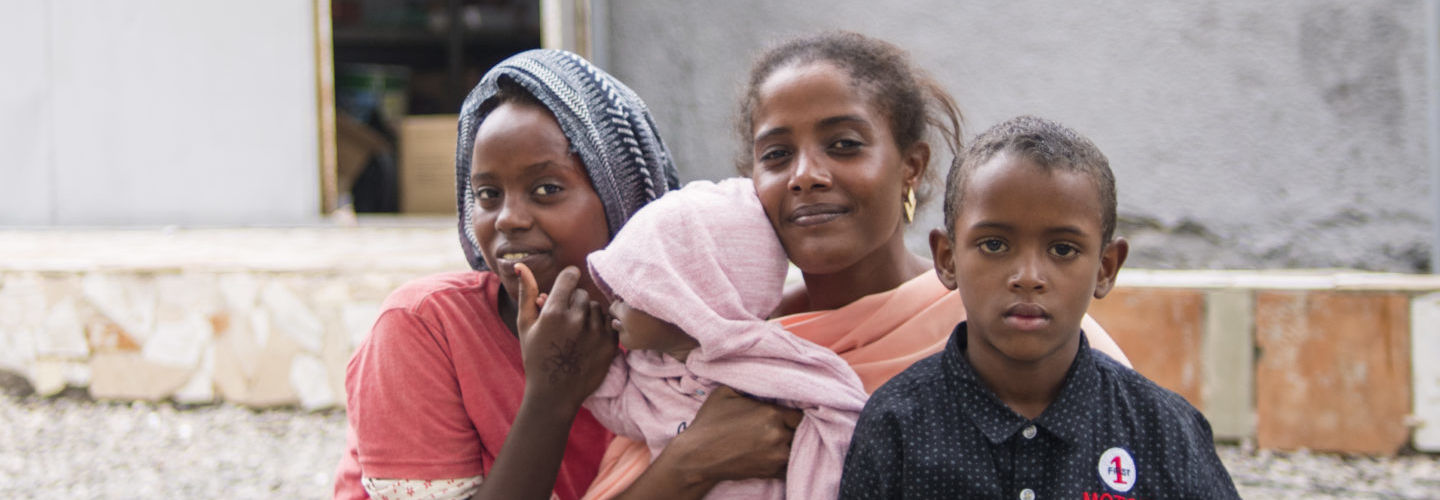
Asylum saves lives. When people are forced to flee their homes because staying would put them in danger, asylum offers a path to safety and protection in another country. It is a form of legal protection that allows people at risk of persecution to begin rebuilding their lives
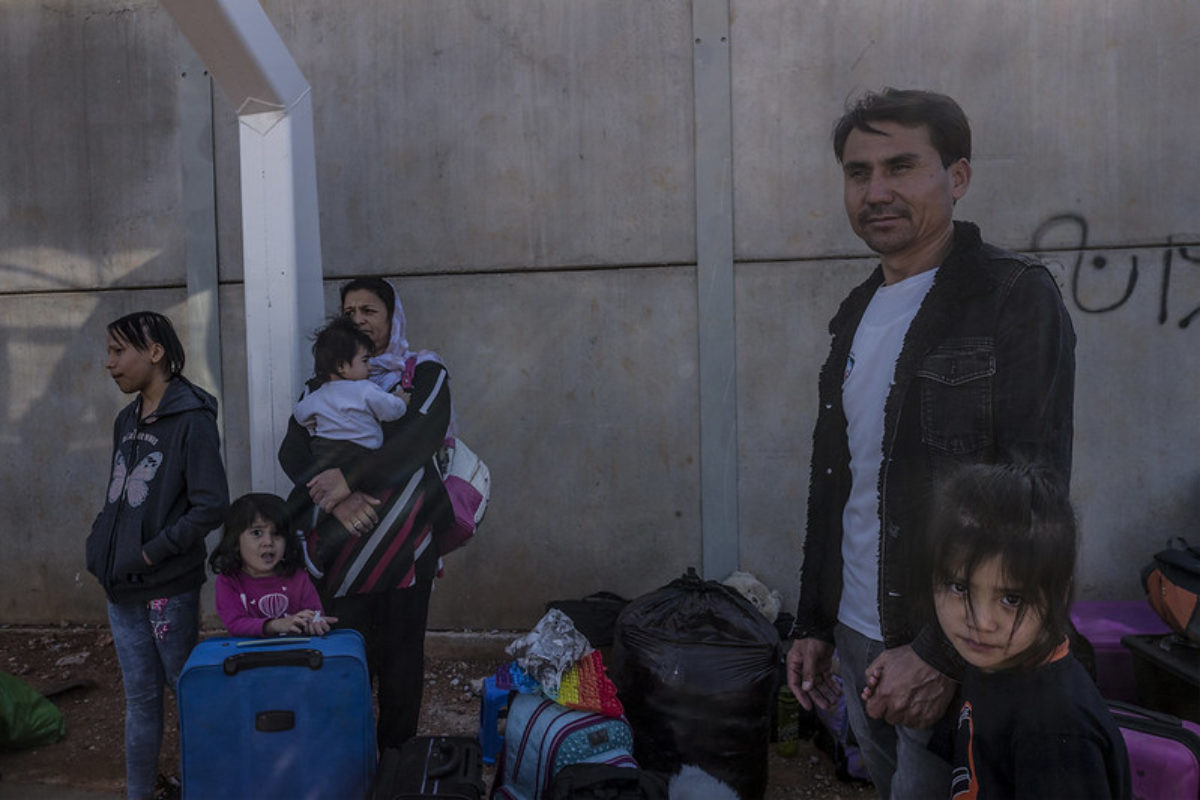
Asylum saves lives. When people are forced to flee their homes because staying would put them in danger, asylum offers a path to safety and protection in another country. It is a form of legal protection that allows people at risk of persecution to begin rebuilding their lives.
The International Catholic Migration Commission (ICMC) has walked alongside asylum seekers for 75 years. Founded in 1951, the same year as the UN Refugee Convention, ICMC helps people navigate complex systems and access the protection they need. As the organization celebrates its 75th anniversary in 2026, it continues turning the promise of asylum into reality through protection and assistance programs in communities worldwide.
The Right to Asylum: Historical and Legal Foundations
The modern asylum system emerged from the aftermath of World War II, when millions of people were displaced across Europe. The international community recognized that people fleeing persecution needed legal protection, leading to the creation of the 1951 UN Refugee Convention.
This landmark treaty created fundamental principles that still guide asylum systems today. Central among these was non-refoulement: the principle that no one should be sent back to a country where they face persecution or serious harm. The UNHCR, the UN refugee agency created alongside the Convention, was tasked with overseeing and promoting its application worldwide.
The Convention’s 1967 Protocol expanded asylum beyond European refugees and removed the restriction to protection for events occurring before 1951, making asylum a truly global commitment. Today, 149 countries have signed these agreements, creating a worldwide framework for protecting people fleeing danger.
The history of asylum stretches back even further, but the 1951 Convention remains the cornerstone of modern refugee protection.
Who Qualifies for Asylum?
To be granted refugee status and qualify for protection, a person must be outside their country of origin or nationality and demonstrate a ‘well-founded fear of persecution’ linked to one or more of the five protected grounds.
These grounds include:
- Race
- Religion
- Nationality
- Membership of a particular social group
- Political opinion
A well-founded fear means the person has genuine reasons to believe they would face serious harm if they returned home. This can include threats to life, physical violence, imprisonment, or other severe human rights violations. Threats can be from the State or other parties, and the person must show that the State cannot or will not protect them.
Not everyone who crosses a border qualifies for asylum. Economic hardship alone doesn’t meet the criteria, though persecution and economic factors can overlap. The key question is whether someone faces targeted harm because of who they are or what they believe.
The Asylum Process: How It Works
The asylum application process varies by country, but most systems follow similar steps. Understanding how to apply for asylum can help demystify this overwhelming journey.
Here’s how the asylum process typically works:
- Arrival and initial claim: People must physically arrive in a country or at its border to request asylum.
- Registration and screening: Officials conduct preliminary interviews to document the claim.
- Background checks: Authorities verify identity and conduct security checks.
- Detailed interview: Asylum seekers explain their story and provide evidence of persecution. Evidence might include documents such as police reports or threatening letters, though many people flee with nothing and rely on their testimony alone.
- Decision: Authorities approve or deny the asylum application based on whether the person meets refugee criteria.
- Appeals: Those who are refused asylum may challenge the decision.
Throughout this process, the quality and availability of legal representation can make a significant difference to outcomes.
The journey also takes a psychological toll. Waiting periods can stretch from months to years, with asylum seekers living in limbo, often unable to work or reunite with family members left behind. Mental health support is of great help to people navigating these systems, though this assistance is often difficult to access.
Global Asylum Today: By the Numbers
The scale of forced displacement continues to grow. As of June 2025, global statistics paint a sobering picture:
- 117.3 million people were forcibly displaced worldwide.
- 42.5 million refugees had crossed international borders to seek safety from conflict, violence, and persecution.
- 8.4 million asylum applications were pending globally.
- Of countries with modern asylum systems, Germany, the United States, Spain, France, and Canada receive the most asylum applications.
- Syria, Afghanistan, Venezuela, Ukraine, and Sudan are the top countries of origin for refugees.
Approval rates for asylum-seekers vary dramatically by nationality: Some groups see approval rates above 90%, while others face rejection rates of similar proportions. Approval also varies according to the destination country. These disparities reflect both the validity of individual claims and inconsistencies in how different countries apply asylum law.
ICMC works to bridge gaps in protection for those in need by expanding access to legal assistance and protection services, while advocating for more consistent and humane asylum policies worldwide. Complementary pathways, such as education visas and family reunification, offer additional routes to safety for refugees.
Asylum in an Interconnected World
Asylum remains a cornerstone of international law, protecting millions of people who cannot rely on their own governments for safety. The 1951 Convention’s principles continue to guide this protection, even as new challenges emerge from conflict, climate change, displacement, and political opposition.
Understanding asylum helps us see beyond statistics to recognize the human stories behind each application. Whether through advocacy, support, or simply informed dialogue, we all have a role in ensuring that people fleeing persecution can access the protection they desperately need.
About ICMC
For 75 years, ICMC has advocated for the rights of all uprooted people, including asylum seekers, refugees, internally displaced persons, and all migrants. ICMC and its members, the national conferences of Catholic bishops worldwide, remain committed to supporting immigration policies that produce more sustainable solutions.
Our efforts include supporting Church-led responses to displacement in Ukraine, ensuring access to education for displaced children in the Central African Republic, and offering compassionate care for women at the Saint Charles Clinic in South Africa.
We rely on donations to fund our critical humanitarian work and continue changing lives. Find out how you can make a difference and help migrants, internally displaced persons, and refugees in need today!