ICMC Ensures Continued Support for Displaced Persons in Ukraine
As the conflict in Ukraine persists, ICMC continues to support Church responses and stand in solidarity with those affected.
As 2025 draws to a close, the war in Ukraine shows no signs of abating.
‘By donating to ICMC, I am attempting to pay back the assistance that my grandparents received from others when they immigrated from Ukraine early in the twentieth century.’
Gregory B., ICMC donor
ICMC Projects in Ukraine
In 2022, the Conference of Roman Catholic Bishops in Ukraine formed a National Center for Spiritual and Psychological Support, which oversees the work of individual diocesan mental health centers throughout Ukraine. From 2024, the Ukrainian government has taken a number of significant steps to modernize the national mental health system, strengthening primary care systems, and establishing 31 mental health centers across the country.
ICMC is complementing and supporting this work by ensuring training on providing psychosocial assistance for psychologists, social workers, and seminarians and priests.
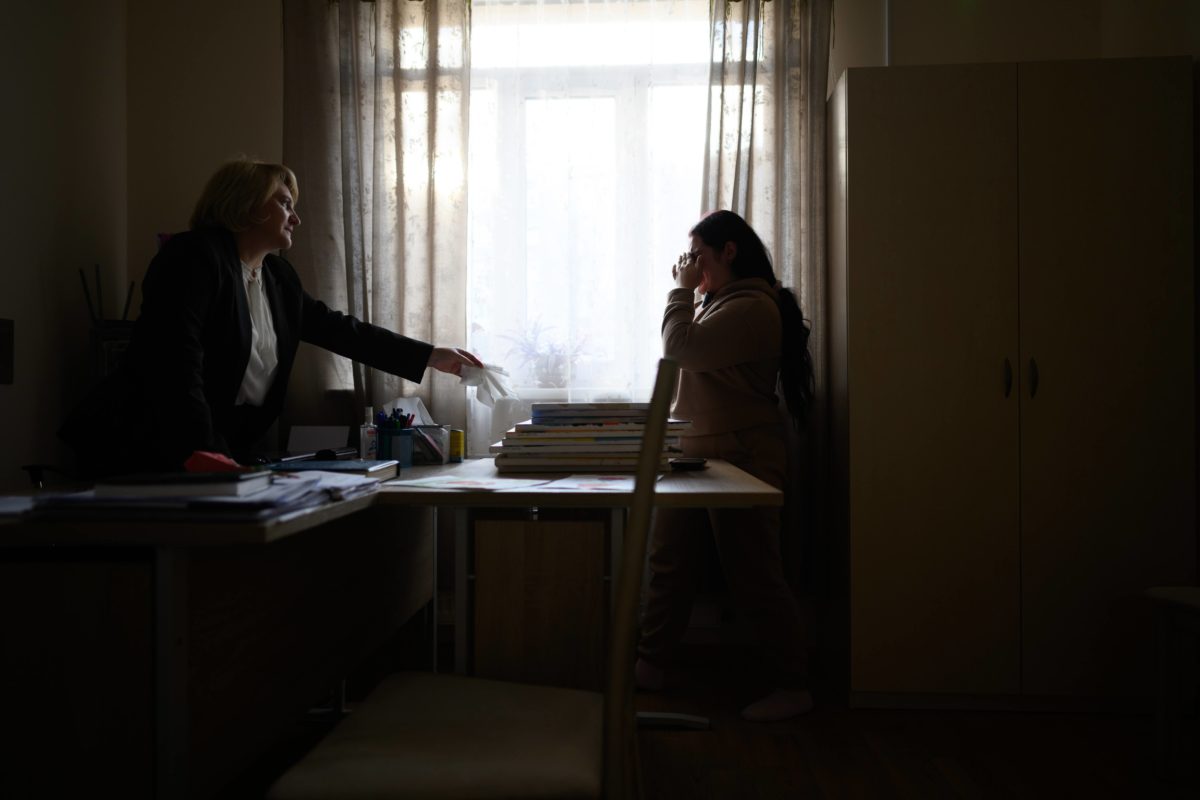
The ongoing conflict continues to cause widespread mental health and psychosocial issues across Ukraine. Approximately 10 million people are projected to develop a mental health condition, predominantly related to post-traumatic stress, anxiety, or depression, 4 million of whom will be severe cases.
Poor mental health disproportionately affects those who have been displaced, including returnees, women, people with disabilities, and households with a person involved in the war. Signs of acute mental health distress in children are particularly acute in ‘frontline’ conflict areas, while coping with unemployment is associated with higher rates of depression.
Responding to these vast mental health challenges, ICMC has supported training events and workshops focused on providing psychosocial assistance, for 100 psychologists, 150 social workers, and 900 seminarians and priests. ICMC also supports specialized trauma, bereavement, and loss training for licensed psychologists and social workers, and additional training in psychological first aid for diocesan staff working with the internally displaced. In 2025-26, this initiative will provide a total of 54 training days for 120 participants, via three distinct training programs taking place at the Roman Catholic Seminary near Lviv. Each participant will receive 117 hours of clinical supervision, and psychologists and social workers will work at the diocesan mental health centers throughout Ukraine.
ICMC is also partnering with the Roman Catholic Archdiocese of Lviv, to provide 1,140 free psychotherapy sessions to both adults and children at diocesan mental health centers. These services are especially important for internally displaced persons, who may have significant mental health needs but be unable to fund their own treatment.
Building Church capacity for psychosocial support remains a crucial area of need in Ukraine, given how the impacts of the war will be felt for many years to come. Clergy in Ukraine are often ‘first responders’ to complex, war-related trauma issues, and need training to recognize symptoms of psychological disorders, and strengthen their collaboration with mental health professionals and institutions.
Since late 2022, ICMC has assisted both Greek Catholic and Roman Catholic seminaries across Ukraine to host training workshops for seminarians on providing spiritual and psychological assistance, alongside individual psychological counseling for priests and seminarians accompanying war-affected populations.
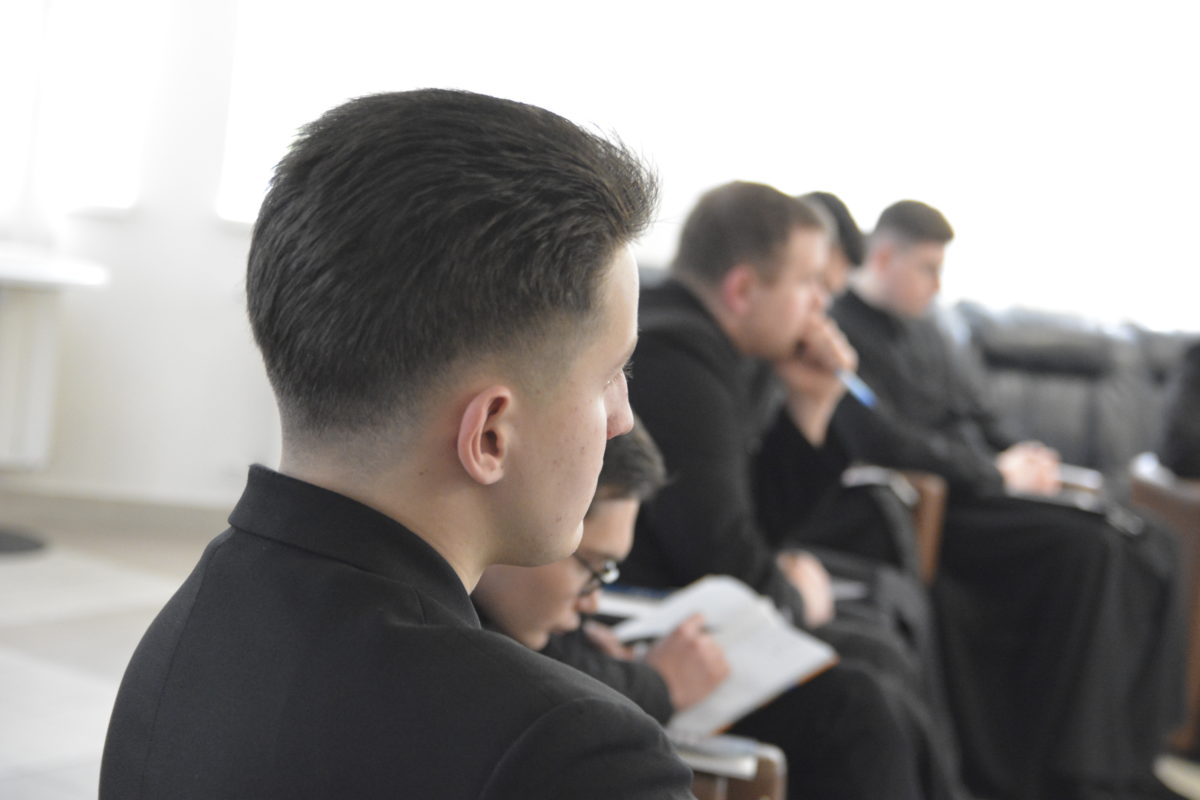
In 2025-26, ICMC is supporting a series of nine planned workshops to assist seminarians and priests to address the urgent challenges facing Ukrainian families during wartime, the first two of which took place in November 2025 at the seminaries of Kyiv and Ternopil. As clergy in Ukraine are specifically called to provide pastoral counselling to people who have experienced loss as a result of the conflict, in 2025 ICMC is continuing to support supervised bereavement ministry (grief counselling) sessions for Greek Catholic seminarians, under the supervision of seminary staff at the Holy Spirit Seminary in Lviv.
Seminarians and priests not only help to accompany others through their trauma, but themselves also face the traumatic impacts of the ongoing war. With the tools to practice self-care and manage their own psychological health, they are better equipped to respond more effectively in pastoral counseling and ministry setting in the future. To ensure care for these caregivers, ICMC partners with the mental health hub Diyaty to provide free/subsidized individual psychological counseling. 200 individual psychotherapy sessions were provided in the first quarter of 2025, with a further 750 sessions planned for the period until April 2026.
‘This experience taught me not to run away from the pain of others. I saw how differently people grieve, at what stages of experiencing loss they are. Gradually, I felt that I could be there, listen, empathize, without imposing decisions. I stopped being afraid of other people’s tears. And I realized that my calling is to be there in the darkest moments of human life.’
Taras, Seminarian
The ongoing conflict continues to create new challenges for assisting internally displaced persons, with Church institutions and organizations called on to provide shelter and meet basic needs as large numbers of displaced people arrive unexpectedly.
ICMC support is enabling Church institutions and communities to provide shelter, humanitarian assistance, and mental health services to the most vulnerable amongst those who have been displaced, including adults and children with disabilities, the elderly, and mothers fleeing the conflict and other abuse with their children.

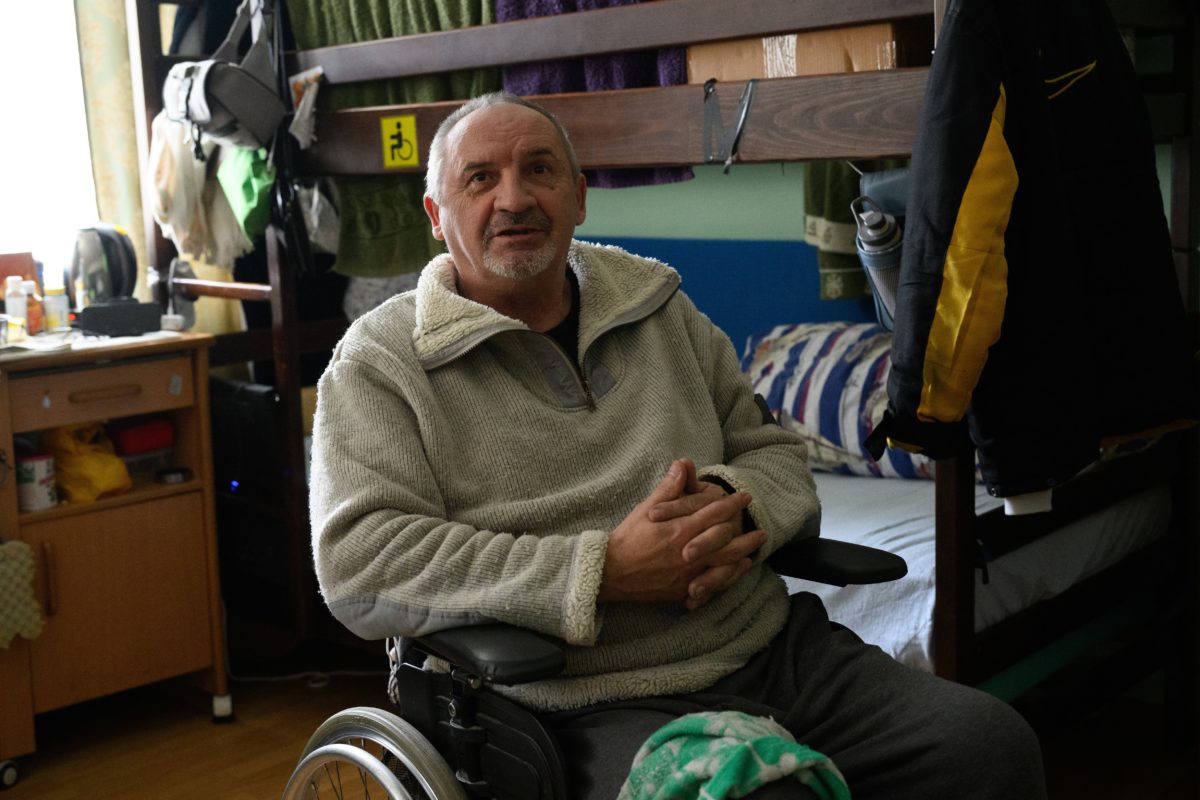
Since 2022, ICMC has supported the Eparchy of Buchach to provide shelter, assistance, and mental health services at the Chortkiv House of Mercy, a children’s rehabilitation center in western Ukraine. Since the invasion began, the center has been used to house internally displaced persons, including families, mothers with children, the elderly, and people with disabilities.
In 2025, ICMC support has ensured the continued presence of a team of 14 full-time staff at the House of Mercy, including psychologists, social workers, and physical and speech therapists. Together, they provided 250 individual and group therapy monthly session for more than 150 beneficiaries, with a specific focus on children with autism, Down syndrome, cerebral palsy, and intellectual disabilities, as well as mothers and elderly persons in crisis.
Communities of women religious are also providing crucial shelter and care for internally displaced persons and other vulnerable groups.
In 2025-26, ICMC is supporting the Sisters of St. Albert in Lviv to continue operations at the Ecumenical Center of Mercy of the Blessed Bernardine Yablonska, which began providing housing to internally displaced single mothers and their children in 2024.
The facility is a first place of safety for many women fleeing both the conflict and other types of abuse, and also supports other IDPs and the local community with free meals daily.
‘The Ecumenical Center of Mercy is more than just a building. It is a place where donors, volunteers, and the Albertine Sisters come together to create a family of mercy – a space of safety, warmth, and spiritual renewal for all who come here. Every person who enters the center has a roof over their head, a warm meal, and acceptance. It’s a place where silence isn’t just the absence of sound, but a sign of safety and a chance for recovery.’
Sister Hieronima, Albertine
The conflict is taking a devastating toll on the lives of children and young people, with 5.1 million children displaced from their homes to date, and large numbers affected by school closures, conflict stress, and a lack of opportunities to interact with their peers. Those aged three years or younger have spent their entire lives in a situation of bombardment and displacement, while one in three children in Ukraine has witnessed someone being killed or injured.
To provide a safe and enriching experience for children and young people impacted by the conflict, ICMC is supporting Church partners to facilitate safe spaces and summer camps and activities for children and young people.
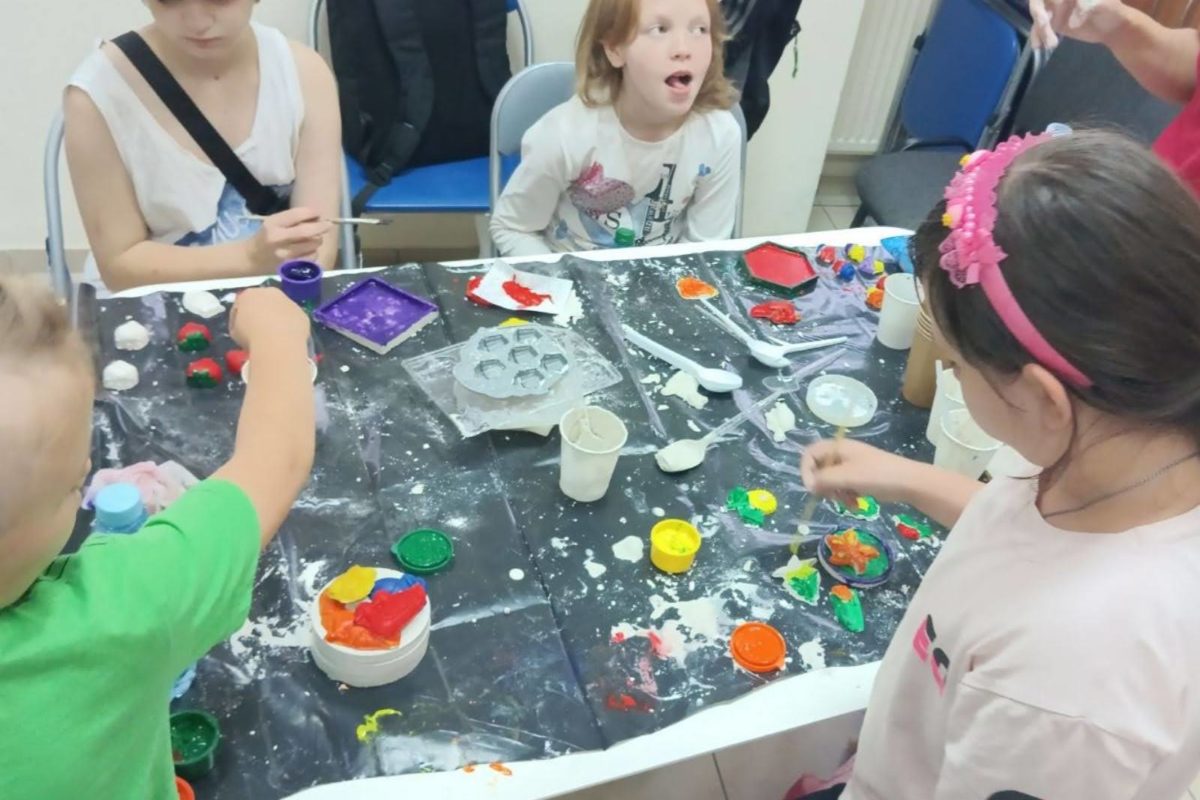
Over the summer of 2025, ICMC partnered with Saints Cyril and Methodius Greek Catholic Parish in Lviv to provide three two-week summer camps for 157 children and young people, in a faith-based environment.
Led by a team of two priests and two lay facilitators, the camps provided opportunities for psychosocial healing, educational engagement, and social integration. All-day programming, including educational activities, recreation, and daily meals, provided much needed respite and support to their families during the summer break.
In 2026, ICMC and Caritas Beryslav will partner to provide a safe space for children to interact with their peers, learn, and play. To support overall childhood wellbeing, the center will also provide psychosocial assessment and support for children, and education for parents on how to recognize and address psychological and behavioral symptoms of trauma related to war experiences and displacement.
‘There was a clear transformation in the children as a result of attending the camps. Children who were initially closed and wary began to open up during their time with us, and parents also reported to us that their children returned home calmer and more cheerful’
Ruslan V., summer camp animator & internally displaced person
In ‘frontline’ areas of the conflict in Ukraine, fighting and insecurity continue to severely impact access to basic services for vulnerable populations. For those living with disabilities, a lack of specialized transportation means they are unable to move from their homes to access treatment, and experience psychological distress caused by prolonged isolation and proximity to the conflict.
In Velyka Oleksandrivka, a rural settlement in Kherson oblast, ICMC is partnering with Caritas Beryslav to provide a free transport service for elderly and disabled residents.
In 2025-26, ICMC’s partnership with Caritas Beryslav is ensuring a free transport service for elderly and disabled residents, for use in both urgent medical situations and for routine medical appointments. The initiative benefits from Caritas Beryslav’s deep knowledge of local needs, drawn from their existing work in visiting those with limited mobility to deliver drinking water, medicines, clothing, and other essential items. Referrals to the service are also made via medical service providers and local government. It is anticipated that the service, the first of its kind in the region, will serve up to 500 individuals during the period until May 2026.
‘Please use my donation in countries that have taken in and support refugees from Ukraine who have fled their home in the face of the brutal and unjust invasion by Russia’
Joseph J., ICMC donor
To support ICMC’s work in Ukraine and around the world

Rachel Westerby
Independent writer and researcher on migration and refugees
Photos:
1. Banner image: Lychakiv cemetery in Lviv © AndreyGorb/ICMC
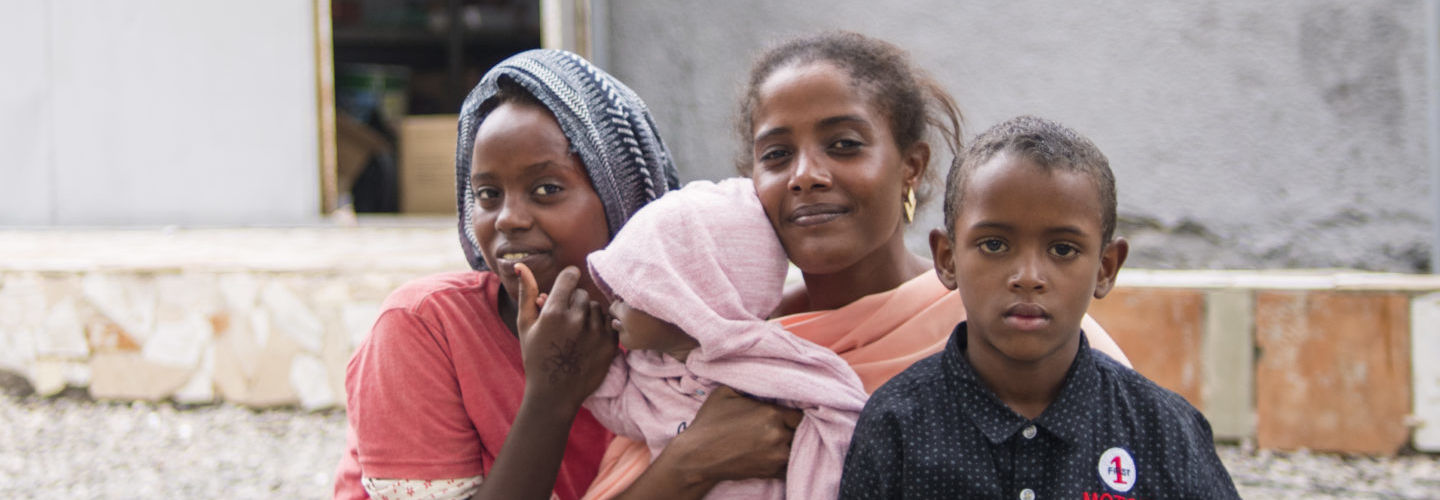
2. Chortkiv House of Mercy, Ternopil Oblast, western Ukraine © AndreyGorb/ICMC
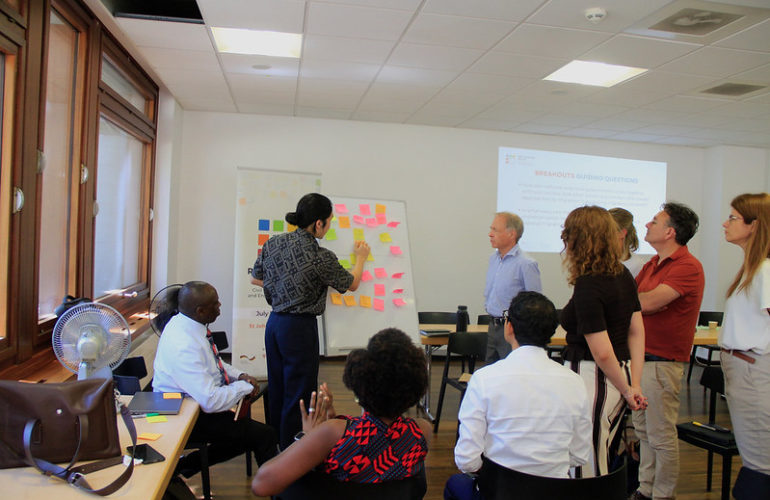
3. Workshop for seminarians on spiritual and psychological assistance © AndreyGorb/ICMC
4. Ecumenical Center of Mercy of the Blessed Bernardine Yablonska, Lviv © ICMC
5. Summer activities for children, Saints Cyril and Methodius Greek Catholic Parish in Lviv © ICMC
6. Chortkiv House of Mercy, Ternopil Oblast, western Ukraine © AndreyGorb/ICMC