‘Deployment is deeply human work, grounded in compassion and respect’
In our final feature marking International Women’s Day, we sit down with ICMC deployee Maureen Muthoni Gachiri to reflect on her work, in ICMC’s 75th anniversary year
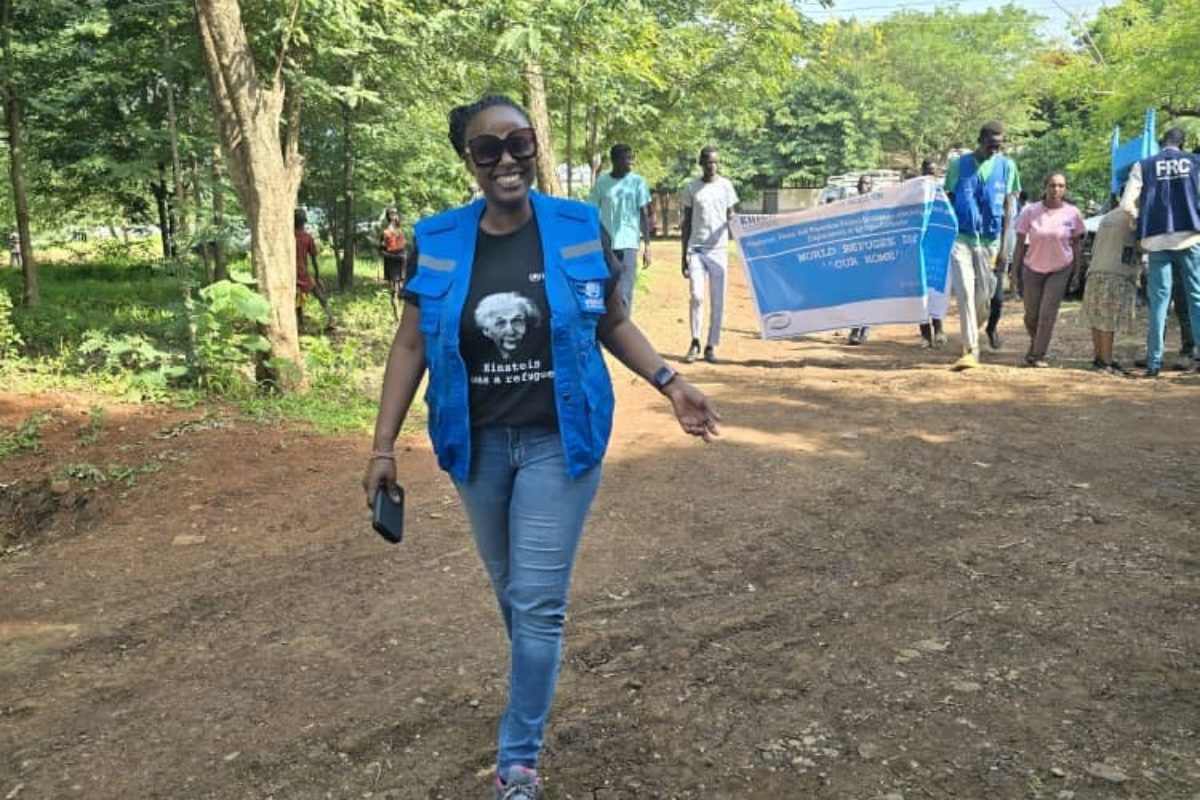
This past month we’ve been marking International Women’s Day, celebrated on Sunday 8 March, by celebrating the ICMC women driving our mission to serve and protect people on the move.
For more than 25 years, ICMC has been deploying refugee protection and resettlement experts to UN Refugee Agency (UNHCR) field and refugee response operations across the world. Since 2020, ICMC has additionally deployed experts to support operations of the United Nations Children’s Fund (UNICEF).
To find out more about the deployee experience and reflect on the impact of the ICMC Deployment Scheme for global refugee protection, we sat down with ICMC deployee Maureen Muthoni Gachiri.
Read our update on the work and global impact of ICMC deployees.
***
ICMC: Hi Muthoni, and thanks so much for sitting down with us today. Could you start by telling us something about yourself and how you came to be involved in the ICMC Deployment Scheme?
M: Sure! I’m Maureen Muthoni Gachiri, a refugee and human rights protection specialist from Kenya. I have over 15 years of experience in international protection, resettlement, refugee status determination and legal casework, across UNHCR-led operations in Kenya and beyond. This experience shaped my strong interest in field-based work that integrates legal protection with direct service delivery.
‘I saw, right in front of me, how simply being heard for the first time restores the dignity and humanity that is so often stripped away during migration journeys.’
I first learned about ICMC while working in Nairobi, and my first ICMC deployment was to support UNHCR operations in Sudan in 2016-18. I was then regularly deployed to Niger, Rwanda, and Ethiopia, always for a year or longer, until 2024. I’ve added crucial expertise to UNCHR field operations, spanning refugee status determination, resettlement identification and referral, complementary pathways, sexual and gender-based violence, and anti-fraud.
‘Sitting across from someone, bearing witness to their experiences, and providing them with reassurance reminded me that protection is not just a legal process – it is deeply human work, grounded in compassion and respect. That’s what motivates me, at the core.’
ICMC: Congratulations on 8 years as an ICMC deployee! So you’ve spent long periods on deployment in field locations. What motivated you to continue?
M: Thanks! Well, it’s certainly that being an ICMC deployee was professionally where I felt I could make the most impact, and an opportunity to bring that together with the strong commitment to refugee protection that I’ve developed throughout my professional career.
ICMC offers a way to apply legal expertise in meaningful and practical ways, in diverse field settings. Being a deployee means I could use my legal background to support forcibly displaced people, whose protection needs require careful documentation, rigorous legal analysis, and strong advocacy for resettlement and other durable solutions.
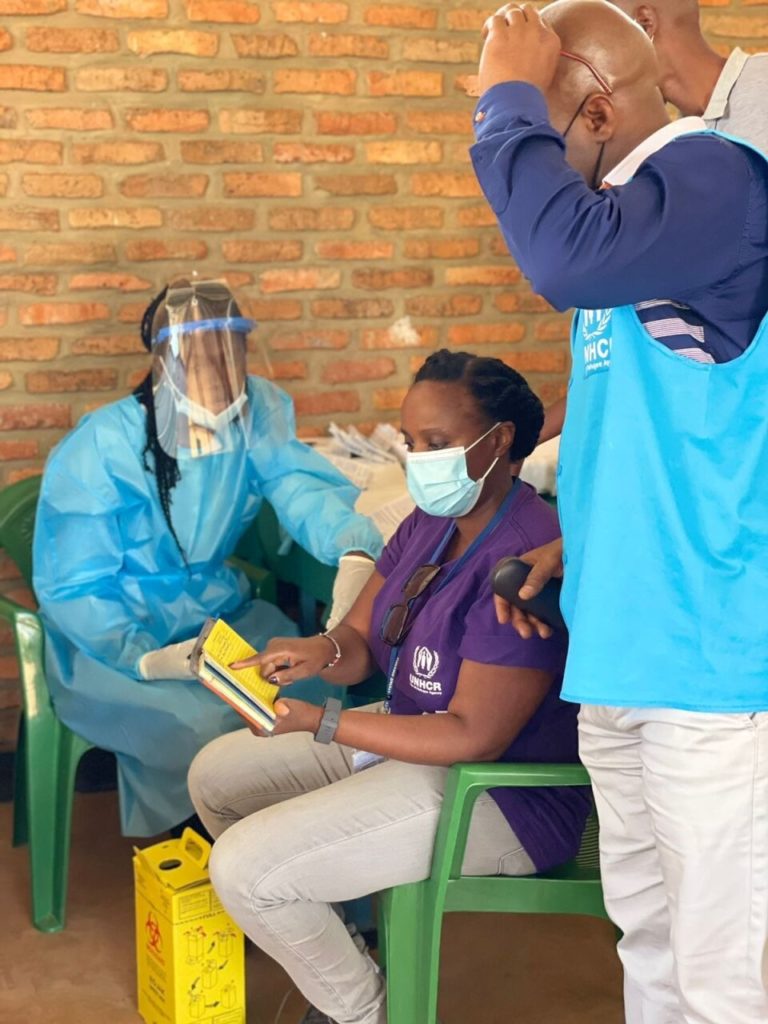
It’s of course more than that, though. At the individual level, I’ve personally witnessed how access to qualified protection professionals can change the course of someone’s life. I sat with refugees who had endured unimaginable trauma, exploitation, and prolonged uncertainty, and I made sure that their stories were not only listened to but also taken seriously. I saw, right in front of me, how simply being heard for the first time restores the dignity and humanity that is so often stripped away during migration journeys.
Of course the deployment scheme opened pathways to durable solutions and protection against returns, but beyond these formal outcomes, what stood out to me most was the human connection. Sitting across from someone, bearing witness to their experiences, and providing them with reassurance reminded me that protection is not just a legal process – it is deeply human work, grounded in compassion and respect. That’s what motivates me, at the core.
ICMC: You’ve been deployed to multiple UNHCR field operations, often in challenging conditions. How were these experiences, and what advice would you give to someone thinking about this aspect of deployment?
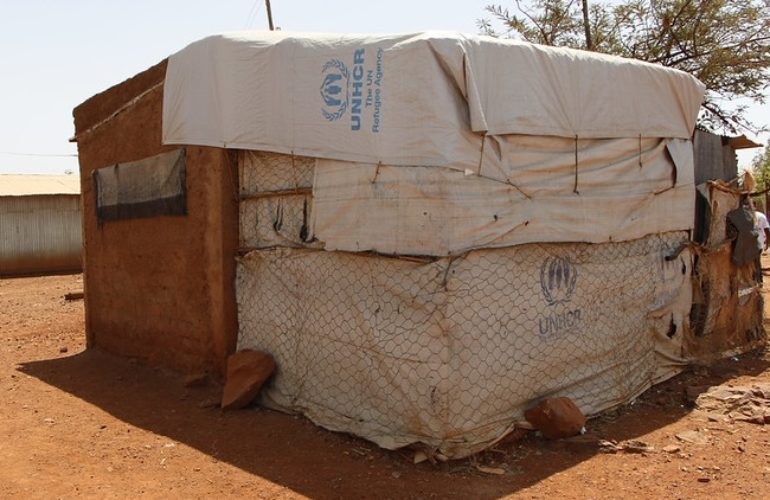
Well, my advice to anyone considering joining the ICMC Deployment Roster is to be mentally prepared to forego many of the comforts of everyday modern life! You need to be adaptable, committed, and motivated by service to others, especially when you’re deployed to field locations where things can be very basic.
But I’d also say that you have to approach it positively, because very quickly just having running water, electricity, and a small local market becomes more than enough. Speaking personally, I have found quiet and unexpected joy in this simpler way of living, which has made me appreciate things I maybe previously took for granted.
Field work is not for the faint hearted, but it is incredibly fulfilling! There is a deep sense of purpose in contributing to the wellbeing of people who have been forcibly displaced due to conflict and instability. The work can be challenging, both professionally and emotionally, but it is also profoundly meaningful and impactful.
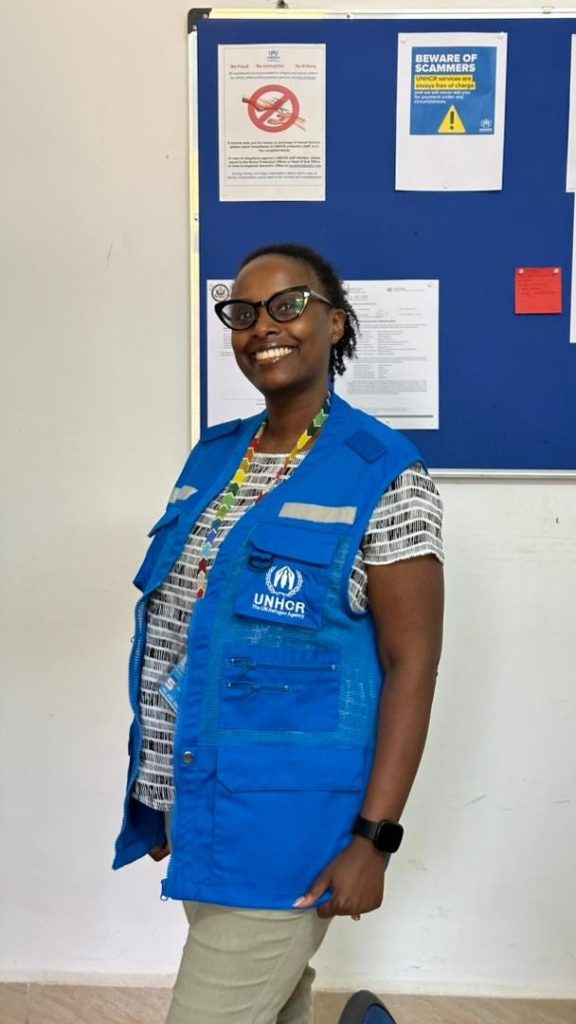
ICMC: What have you learned about the experiences of refugees through your ICMC deployments? Has being a deployee provided you with new insights or perspectives?
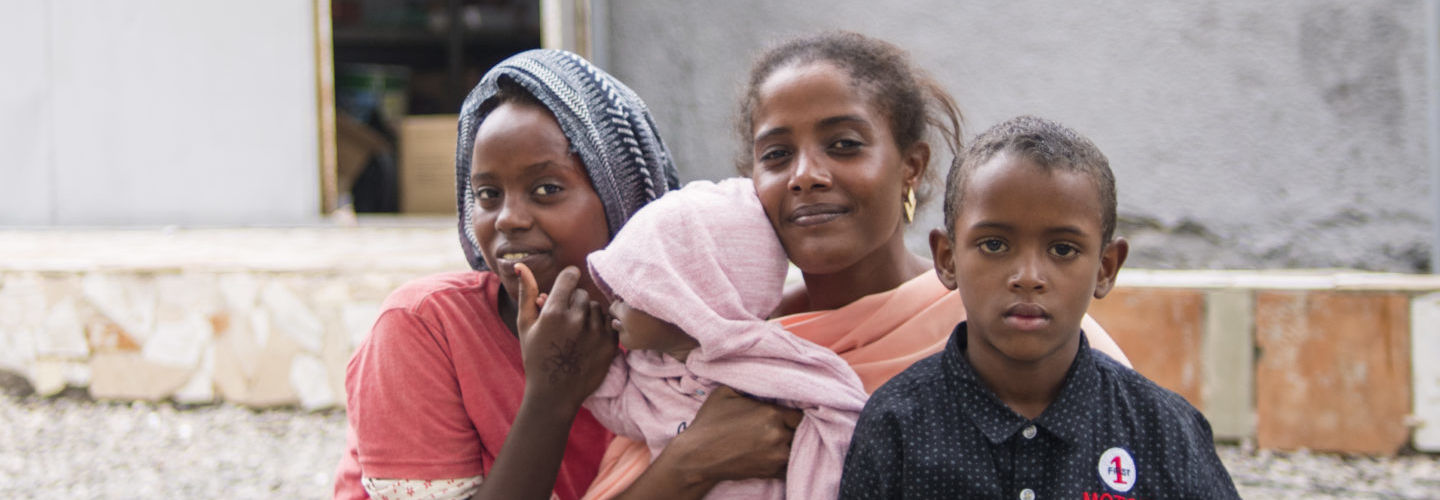
I think being with people and listening to their testimonies deepened my understanding of the cumulative trauma that refugees endure. It’s not only physical harm, but a profound emotional and psychological wounding. Many of the people I spoke with in Niger, for example, had survived sexual abuse, forced labor, and prolonged detention, and lived with ongoing uncertainty about their futures even after reaching places thought of as ‘safe’. These experiences strengthened my resolve to approach protection work with both rigor and compassion, and to continue my involvement with ICMC as a deployee.
ICMC: You talked before about the rigorous and precise nature of your legal work. How does it feel when that work culminates in a positive outcome for individual refugees?
M: By far the most defining highlights of my work came during the resettlement work in Niger: seeing refugees interviewed by resettlement country missions and receiving positive decisions; watching families pack their belongings, say emotional goodbyes to fellow refugees, and prepare to travel to third countries where they would become permanent residents; watching people shed the label of ‘refugee’, regain their legal identity, and begin new chapters of safety and belonging.
All these moments represent the culmination of detailed legal work, careful documentation, and strong advocacy. They were also so profoundly moving as to reaffirm the value of our work, and to make all the previous challenges worthwhile.
ICMC: As well as our celebrating your 8 years as an ICMC deployee, 2026 is ICMC’s 75th anniversary! What are your reflections on ICMC’s work for people on the move, and what specific contributions does the ICMC Deployment Scheme bring for global refugee protection?
M: Happy birthday ICMC! Speaking from my own experience, the true value of ICMC lies in the very real difference it makes at every level of refugee protection, starting with individuals, extending to host communities and institutions, and reaching the wider global protection system.
I’d say that the ICMC Deployment Scheme restores dignity and protection to individuals, strengthens host communities and regional systems, and reinforces the integrity of global refugee protection. Being an ICMC deployee was also transformative for me, and knowing that our collective efforts directly contributed to saving lives and restoring hope remains one of the greatest successes of my humanitarian career.

Rachel Westerby
Independent writer and researcher on migration and refugees.